
Everything You Need to Know About Declawing Cats
- posted: Oct. 09, 2015
Everything You Need to Know About Declawing Cats
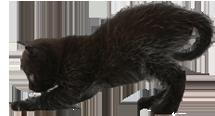 From shredded furniture to frequent scratches, a kitty's claws can be a real worry for you and your family. If you have been considering declawing your cat for these very reasons, it is likely that you have a few questions that you would like answered. Here are a few of the more common questions and everything you need to know about declawing cats.
Declawing Your Cat with Hamilton Road Animal Hospital
What does the declawing process involve?
During the declawing surgery, your cat will be given a general anesthetic to keep your pet calm and pain free. There are a few different declawing methods that most veterinarians use when declawing a cat. The disarticulation method involves making a small incision around the claw to remove the claw from the bony structure of the cat's toe. This process can also be accomplished using a special surgical blade. Great care is taken to ensure that no bone fragments are splintered and left behind so that your kitten can heal comfortably.
At what age should you have your cat declawed?
Even though a cat can be declawed at any age, it is generally recommended that you have your cat declawed early on because older cats can take longer to heal. It is not uncommon for the veterinarian to ask about declawing when you have your kitten spayed or neutered, as the cat will already be under anesthesia and ready for surgery.
How long will it take for your cat to be able to walk again?
The time it takes for your newly declawed kitten to get up and walk after surgery can vary depending on the overall health of the cat, but in most cases, cats are up and moving about within a few hours after surgery. Your cat's paws will remain a bit sore for a few days and it is recommended that you use shredded paper instead of kitty litter for about a week after surgery.
Contact Your Columbus Veterinarian
If you have additional questions about declawing your kitten or cat, schedule a consultation with a veterinarian from the Hamilton Road Animal Hospital by contacting us today.
Office Hours
Monday
10:00 am - 12:00 pm
3:00 pm - 7:00 pm
Tuesday
10:00 am - 12:00 pm
3:00 pm - 7:00 pm
Wednesday
10:00 am - 12:00 pm
Thursday
10:00 am - 12:00 pm
3:00 pm - 7:00 pm
Friday
10:00 am - 12:00 pm
3:00 pm - 7:00 pm
Saturday
9:00 am - 1:00 pm
Sunday
Closed